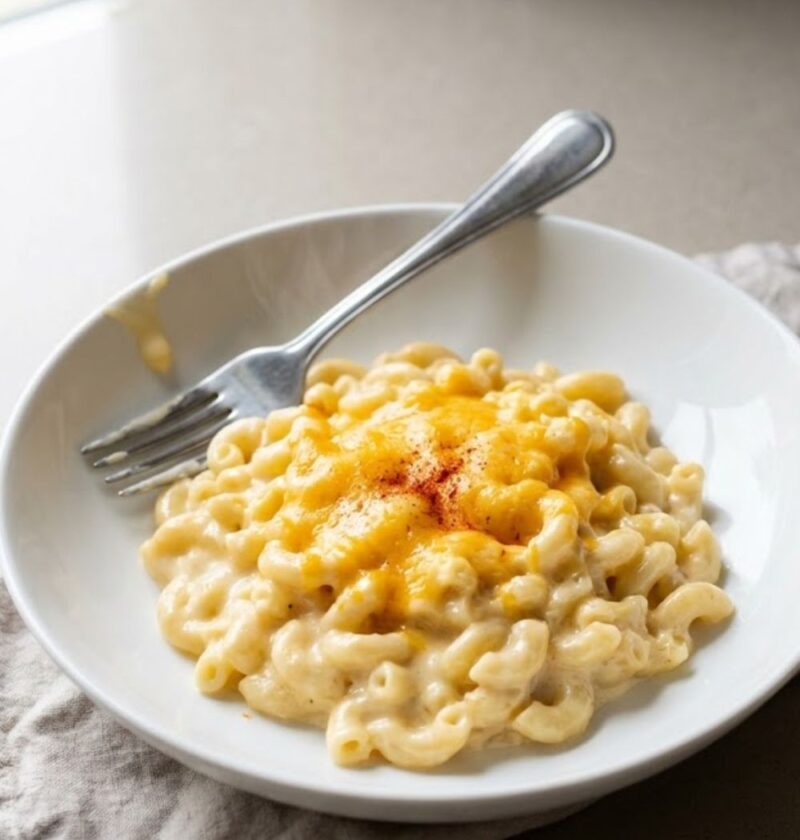
This Mary Berry Cheese Sauce is a smooth and glossy recipe, which calls for sharp mature Cheddar and a hint of mustard. It’s the ultimate pouring sauce for vegetables, ready in about 10 minutes.
Mary Berry Cheese Sauce Ingredients
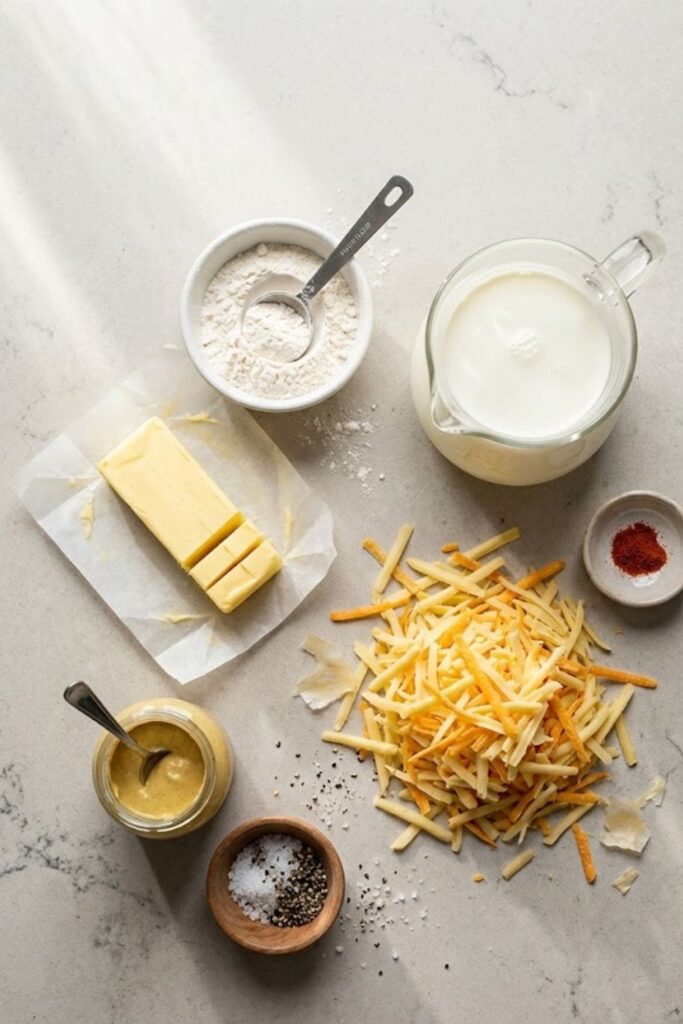
- 50g (2oz) butter
- 50g (2oz) plain flour
- 600ml (1 pint) milk (whole or semi-skimmed), warmed slightly
- 1 tsp Dijon mustard (or ½ tsp English mustard powder)
- 175g (6oz) mature Cheddar cheese, grated
- Salt and freshly ground black pepper (or white pepper for a uniform look)
- Pinch of cayenne pepper or nutmeg (optional)
How To Make Mary Berry Cheese Sauce
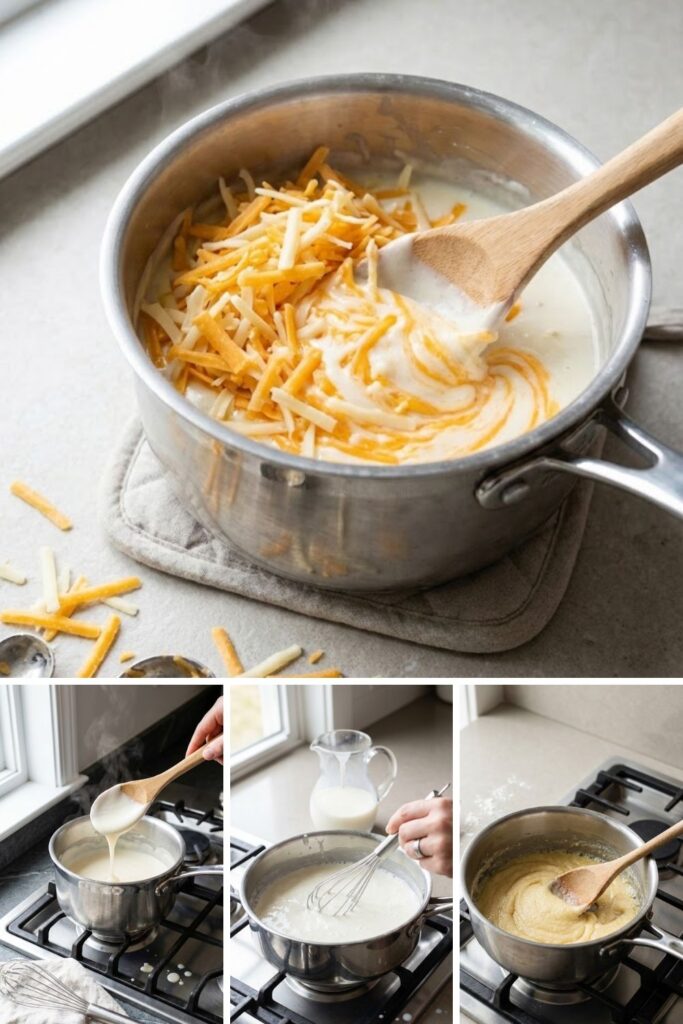
- Make the roux: Melt the butter in a medium saucepan over medium heat. Once foaming, add the plain flour. Stir vigorously with a wooden spoon or whisk for 1 minute. This cooks out the raw flour taste and creates a pale paste called a roux.
- Add the milk: Remove the pan from the heat briefly. Gradually pour in the warm milk a little at a time, whisking constantly to prevent lumps forming. Once about half the milk is incorporated and the mixture is smooth, return the pan to the heat.
- Thicken the sauce: Pour in the remaining milk while whisking. Bring the sauce to a gentle boil, stirring continuously. Reduce the heat and let it simmer gently for 2–3 minutes until the sauce has thickened and is coating the back of a spoon.
- Flavor the base: Stir in the Dijon mustard (or mustard powder) and season with salt and pepper. (Be careful with salt as the cheese will add saltiness later).
- Melt the cheese: Remove the saucepan from the heat. This is the most critical step. Add the grated Cheddar cheese and stir until it has melted into the hot white sauce. Do not put it back on the heat, or the cheese may separate and become oily.
- Serve: Use immediately as a pouring sauce, or mix with pasta/vegetables for a bake.
Recipe Tips
- Don’t boil the cheese: Mary Berry emphasizes that you should remove the white sauce from the heat before adding the cheese. If you boil cheese sauce, the proteins coagulate and the fat separates, resulting in a grainy, stringy, or oily texture.
- Grate your own cheese: Avoid pre-shredded cheese. It is coated in anti-caking agents (like potato starch) that prevent it from melting into a smooth emulsion.
- Mustard is key: Even if you don’t like spicy food, don’t skip the mustard. It enhances the “cheesiness” of the sauce without making it taste distinctly like mustard.
- The “All-in-One” Method: Mary sometimes uses an alternative method where cold milk, butter, and flour are whisked together in the pan until boiling. While faster, the roux method above guarantees a smoother, glossier result for beginners.
What To Serve With Mary Berry Cheese Sauce
This versatile sauce is the foundation for many comfort foods.
- Cauliflower Cheese: The classic Sunday roast side dish.
- Lasagna: Use it as the white layer instead of plain béchamel.
- Macaroni Cheese: Stir into cooked pasta and bake.
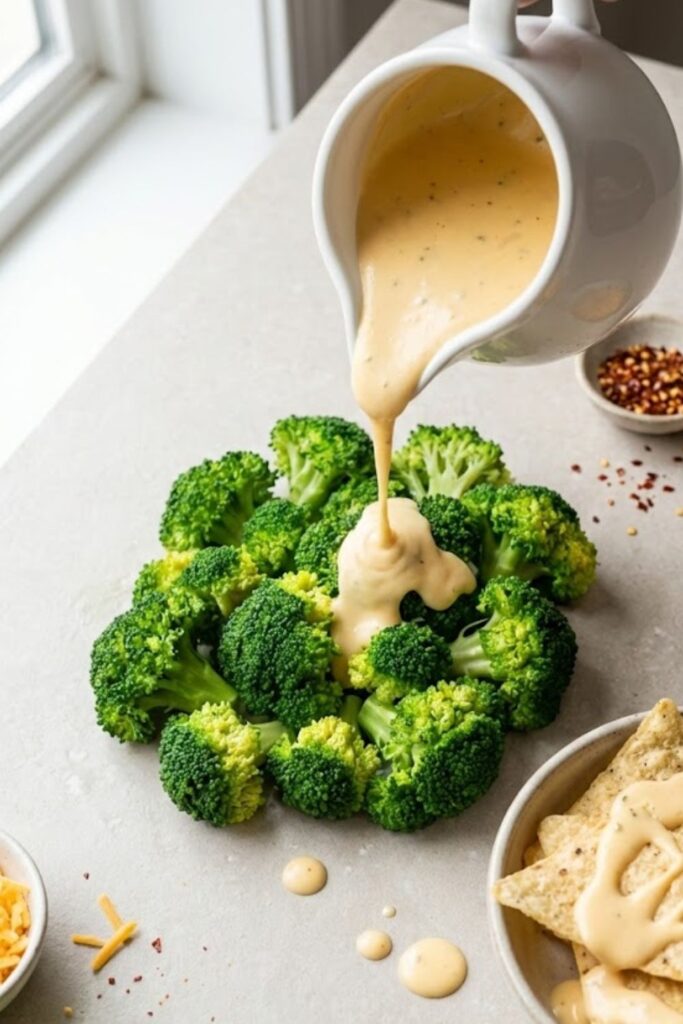
- Steamed Broccoli: Transforms a simple veggie side.
- Nachos: A homemade alternative to processed dips.
How To Store Mary Berry Cheese Sauce
- Refrigerate: Allow to cool, then cover the surface directly with cling film (to prevent a skin forming). Store in the fridge for up to 3 days.
- Freeze: You can freeze the sauce in a sealed container for up to 3 months. Thaw in the fridge overnight.
- Reheat: Reheat gently on the stove over low heat, whisking constantly. You may need to add a splash of milk to loosen it up.
Mary Berry Cheese Sauce Nutrition Facts
- Calories: 180kcal
- Protein: 8g
- Carbohydrates: 8g
- Fat: 14g
- Saturates: 9g
- Sugar: 4g
- Salt: 0.6g
Nutrition information is estimated per serving (approx. 100ml).
FAQs
Lumps usually happen if the milk is added too quickly or if you stop whisking. To fix it, take it off the heat and whisk furiously, or pass the sauce through a sieve.
Yes. Gruyère is excellent for a nuttier flavor (great for gratins), and Parmesan adds a salty kick. Red Leicester adds a lovely orange color. Ideally, mix them with Cheddar for the best melting texture
No, because it uses wheat flour. To make it gluten-free, use cornflour (cornstarch) or a gluten-free flour blend. If using cornflour, mix it with a little cold milk to make a slurry before adding to the hot milk.
Try More Recipes:
- Mary Berry Cranberry Sauce Recipe
- Mary Berry Orange Sauce for Duck Recipe
- Mary Berry Chicken in White Wine Sauce Recipe
Mary Berry Cheese Sauce Recipe
Description
A classic, velvety béchamel-based cheese sauce enriched with mature cheddar and mustard, perfect for coating vegetables or pasta.
Ingredients
Instructions
- Melt butter in a saucepan.
- Stir in flour and cook for 1 minute (roux).
- Gradually add milk, whisking constantly until smooth.
- Bring to a boil and simmer for 2 minutes to thicken.
- Remove from heat.
- Stir in mustard, salt, pepper, and grated cheese until melted.
- Serve immediately.
Notes
- Removing the pan from the heat before adding the cheese is the secret to a silky texture; overheating cheese causes it to split and become grainy.
- Using mature or extra-mature Cheddar is recommended so you get a strong cheese flavor without having to add excessive amounts of cheese, which can make the sauce greasy.
- If the sauce is too thick for your liking, simply whisk in a splash more milk until it reaches your desired consistency.