Mary Berry Shortcrust Pastry is made with a precise ratio of plain flour to cold fat (usually a mix of butter and lard), ensuring a texture that is both buttery and impossibly crisp. It is a foolproof and versatile dough that forms the backbone of British baking, used for everything from savory quiches to sweet fruit pies. This recipe masters the art of “rubbing in,” guaranteeing a light, crumbly pastry that melts in the mouth without being tough or greasy.
Mary Berry Shortcrust Pastry Ingredients
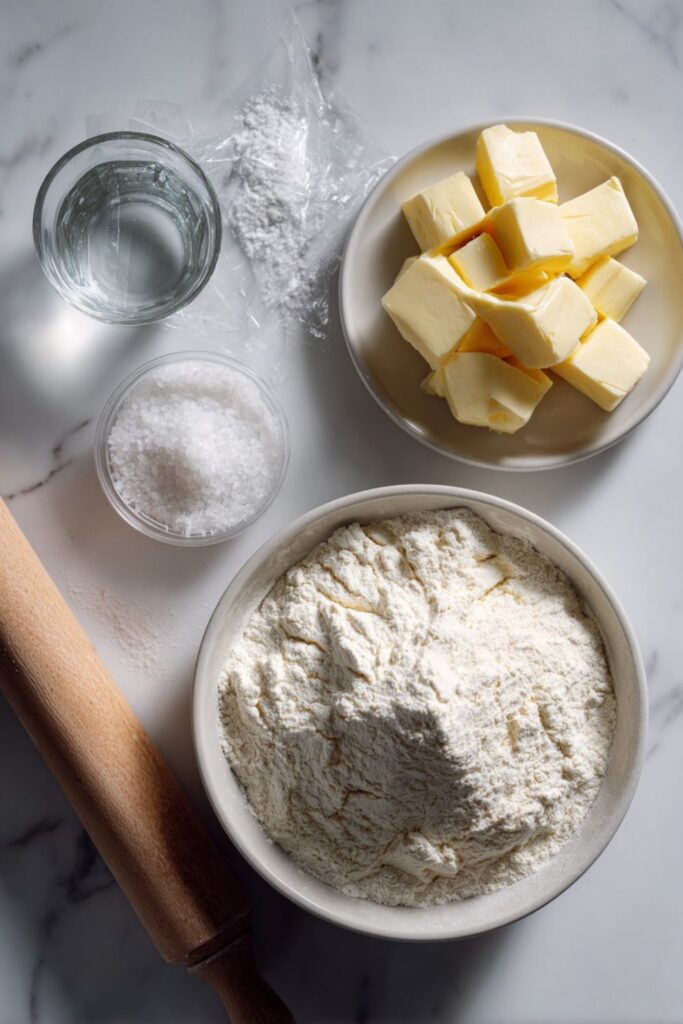
- 225g (8 oz) Plain Flour: Sifted. Provides the structure. Do not use self-raising flour or the pastry will puff up.
- 100g (3 1/2 oz) Cold Fat: Mary recommends using 50g (1 3/4 oz) Cold Butter (cubed) for flavor and 50g (1 3/4 oz) Lard or White Vegetable Fat (cubed) for crispness. You can use all butter if preferred, but the texture will be slightly softer.
- Pinch of Salt: Enhances the flavor of the dough.
- 2-3 tbsp Very Cold Water: To bind the mixture. It must be icy cold to prevent the fat from melting.
How To Make Mary Berry Shortcrust Pastry
- Prep the Dry Ingredients: Sift the plain flour and salt into a large mixing bowl.
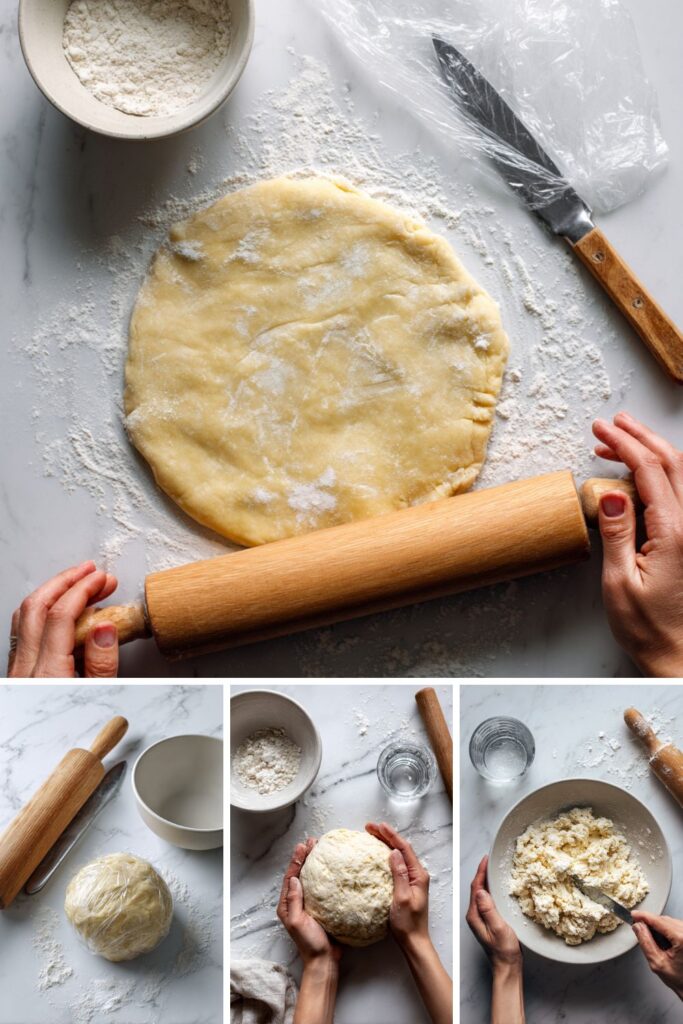
- Rub in the Fat: Add the cubed cold butter and lard. Using your fingertips, gently rub the fat into the flour. Lift the mixture up high above the bowl as you rub to aerate it. Continue until the mixture looks like fine breadcrumbs and no large lumps of butter remain.
- Add Water Carefully: Sprinkle 2 tablespoons of the cold water over the mixture.
- Bind the Dough: Stir with a round-bladed knife until the dough begins to clump together. If it is too dry, add more water—a teaspoon at a time.
- Form a Ball: Use your hands to gently gather the dough into a smooth ball. Do not knead it, or the pastry will become tough.
- Chill: Wrap the dough in cling film (plastic wrap) and refrigerate for at least 30 minutes. This “resting” period relaxes the gluten and prevents shrinking during baking.
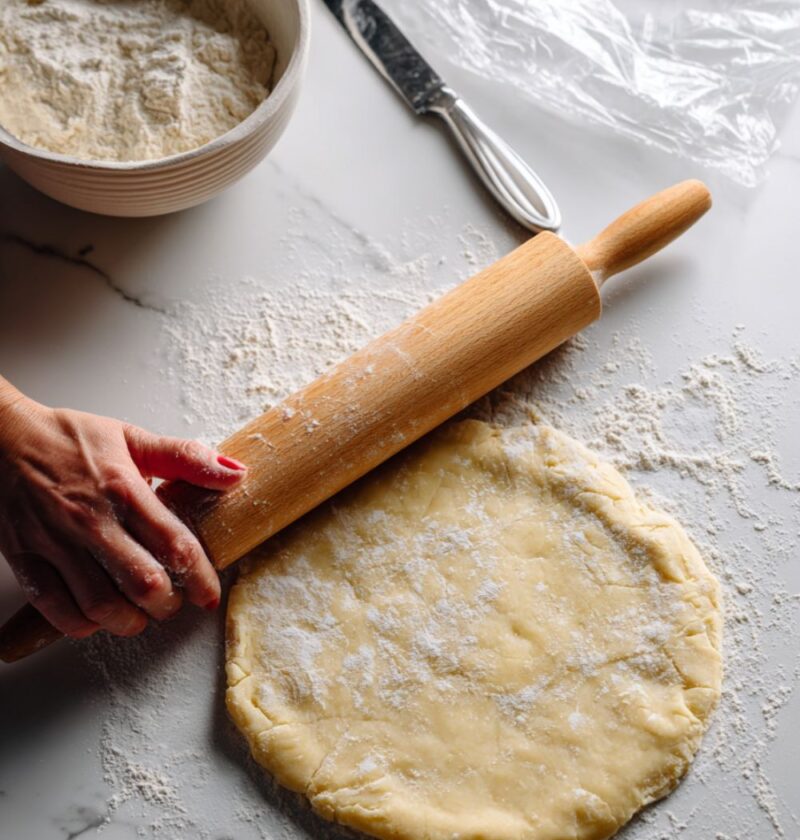
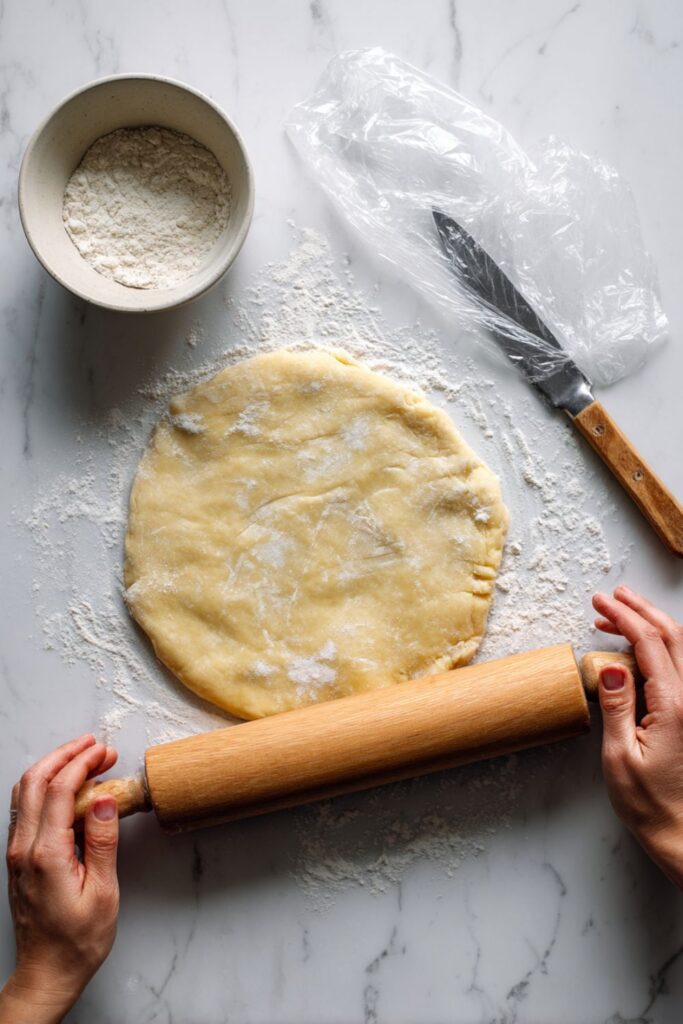
- Roll Out: Roll the pastry out on a lightly floured surface to your desired thickness and use as required for your pie or tart.
Recipe Tips
- Keep Everything Cold: Warmth is the enemy of shortcrust. If the butter melts before baking, the pastry will be greasy and tough. Wash your hands in cold water before rubbing in the fat.
- The “Breadcrumb” Stage: When rubbing in, stop as soon as it looks like breadcrumbs. If you keep going, you’ll make the mixture oily.
- Don’t Overwater: Add water very cautiously. A wet dough yields a tough, hard crust. It should just barely hold together.
- Metal Tins are Best: Mary Berry recommends baking tarts in metal tins rather than ceramic, as metal conducts heat better, ensuring the bottom of the pastry cooks through (avoiding “soggy bottoms”).
What To Use Mary Berry Shortcrust Pastry For?
This is a master recipe that serves as a base for many dishes.
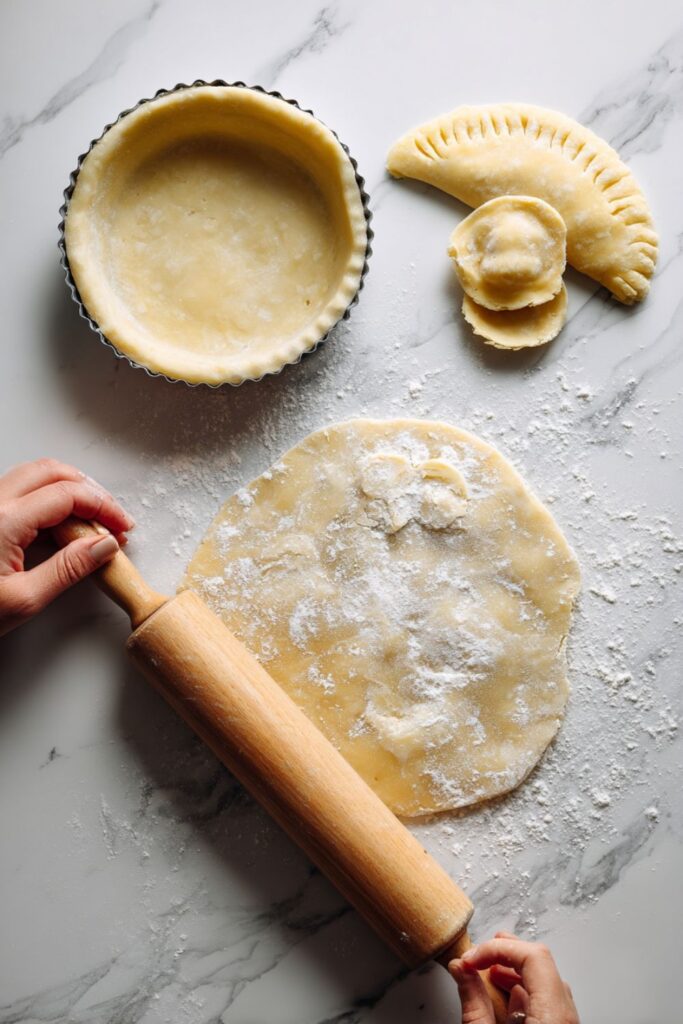
- Quiche Lorraine: The classic savory tart.
- Apple Pie: Use a double batch for a lid and base.
- Cornish Pasties: The dough is sturdy enough to hold a meat filling.
- Jam Tarts: A simple treat using leftover scraps.
How To Store Mary Berry Shortcrust Pastry
- Refrigerate: The raw dough can be stored in the fridge, wrapped tightly, for up to 2 days.
- Freeze: This pastry freezes beautifully. Freeze the raw disk of dough (wrapped in cling film and foil) for up to 3 months. Thaw overnight in the fridge before rolling.
Mary Berry Shortcrust Pastry Nutrition Facts
- Calories: ~180 kcal
- Fat: 11g
- Carbohydrates: 18g
- Protein: 2g
Nutrition information is estimated per serving (based on 1/6th of recipe).
FAQs
Shrinkage happens if the dough wasn’t rested long enough in the fridge or if it was stretched while lining the tin. Ease the dough into the corners; don’t pull it.
Toughness is caused by overworking the gluten (kneading it like bread) or adding too much water. Handle it as little as possible.
Yes, Mary often uses a processor. Pulse the flour and fat until breadcrumbs form, then add water and pulse briefly until it just clumps. Do not over-process.
Try More Recipes:
- Mary Berry Frangipane Mince Pies Recipe
- Mary Berry Chicken Leek And Mushroom Pie
- Mary Berry Chicken And Bacon Pie Recipe
Mary Berry Shortcrust Pastry Recipe
Description
A classic British pastry dough made with flour and cold fats, rested to perfection for a crisp, flaky finish that never shrinks.
Ingredients
Instructions
- Rub In: Sift flour and salt. Rub in butter and lard with fingertips until breadcrumbs form.
- Bind: Stir in cold water with a knife until dough clumps.
- Form: Gently gather into a ball with cool hands.
- Rest: Wrap in cling film and chill for 30 minutes.
- Use: Roll out on a floured surface for your tart or pie.
Notes
- Using a mixture of lard and butter is the secret; butter gives the taste, while lard (which has a higher melting point) ensures a lighter, crisper crumb.
- Lift the flour high out of the bowl as you rub in the fat to incorporate air—this keeps the pastry light.
- Always rest the pastry again after lining the tin but before baking; this double-rest is Mary’s top tip for preventing shrinkage.